Homeowner’s Guide to Preventing Frozen Pipes in Winter
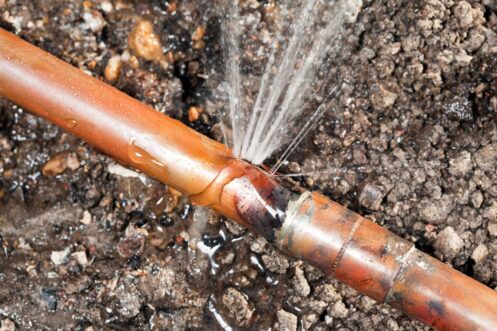

San Antonio winters may not be as harsh as winters in most northern states. However, freezing temperatures can still pose a serious threat to your plumbing system. Frozen pipes can burst without any type of warning, causing costly water damage and repair needs that disrupt your daily life. As a homeowner, it’s important you understand how it is essential to protect your plumbing system before the cold sets in. This guide will take you through the steps to prevent frozen pipes, what to watch for, and how to respond if you encounter problems. Our team at Rosenberg Plumbing & Air is available to help with prevention as well as repairs.
Understanding the Risk in San Antonio
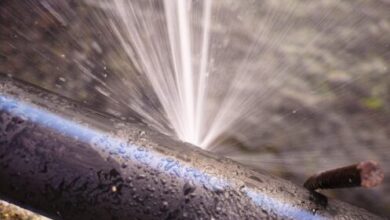
While San Antonio typically experiences milder winters, temperatures occasionally dip below freezing. Homes that are not prepared for this cold weather are at the highest risk. Pipes in areas that are not heated, such as attics, garages, crawl spaces, and exterior walls, are most vulnerable. Water expands when it freezes, leading to cracks or bursts that may go unnoticed until damage becomes obvious in your living space. Even a short period of freezing temperatures can put your plumbing at risk, making proactive measures essential.
You may assume that only extremely low temperatures can cause freezing problems. However, even brief cold snaps can be enough to damage exposed pipes. Older homes or homes with poorly insulated areas are more susceptible to freezing. Understanding where your vulnerabilities lie is the first step toward protecting your plumbing and preventing a costly emergency.
Identify Vulnerable Areas in Your Home
Before the winter chill hits, inspect your plumbing system with the help of a knowledgeable professional. Identify areas where there are pipes that are more exposed to the elements. Look for at-risk plumbing in attics, crawl spaces, garages, basements, and along exterior walls. Check pipes near windows, doors, or vents that might allow cold air to penetrate. Inspect the insulation around these pipes. If insulation is missing, damaged, or insufficient, these areas will be more prone to freezing.
Exterior hose bibs and sprinkler systems are also at risk. Outdoor spigots that are not winterized tend to freeze quickly, causing water to back up into indoor piping. Sprinkler lines are often buried shallowly, which leaves them vulnerable to sudden drops in temperature. Properly preparing these systems is important if you want to minimize risk throughout the winter months.
Preventative Measures for Homeowners
Preventing frozen pipes requires a combination of preparation, monitoring, and quick action. You should begin by ensuring that exposed pipes are well insulated with foam sleeves, fiberglass batting, or spray foam insulation. Pipe insulation helps retain warmth inside your pipes and keeps water flowing during sudden temperature drops. In addition to insulating individual pipes, sealing gaps around windows, doors, and vents helps prevent cold drafts from reaching vulnerable plumbing.
Another key step is managing indoor temperatures. Keep your thermostat set to a consistent level, even when you are away from home. Dropping the temperature inside the house below 50 degrees Fahrenheit can allow exposed pipes to freeze quickly. Open cabinet doors in kitchens and bathrooms to allow warmer air to circulate around sinks and plumbing lines. This simple adjustment helps maintain an even temperature around pipes that are at risk of freezing.
Letting faucets drip slowly during freezing weather can also stop ice and pressure from building up in your plumbing system. When water moves, it is less likely to freeze. Even a trickle from the cold tap can be an effective method of prevention. While this may slightly increase your water bill, it is far cheaper than repairing a burst pipe or dealing with water damage.
Winterize Your Exterior Plumbing
As a San Antonio homeowner, you should also focus more on your exterior plumbing. Disconnect and drain any garden hoses and turn off the water supply that leads to your outdoor spigots. Use insulated covers for outdoor faucets to protect them from the cold air. Make sure to winterize your sprinkler system by draining any remaining water and shutting off the valves to prevent frozen lines.
You should also check for slow leaks around hose bibs or irrigation connections. Even small amounts of trapped water can freeze and expand. Consider adding extra insulation around exposed piping along exterior walls or near the foundation where cold pockets often develop. These small efforts help create a protective barrier around your most vulnerable plumbing areas, giving you more peace of mind when cold weather arrives unexpectedly in San Antonio.
Monitoring During Cold Snaps
Even with preventative measures in place, it’s important to stay vigilant during periods of extreme cold. Check for signs that pipes may be freezing, such as frost on visible pipes or slow water flow at faucets. Pay attention to any unusual sounds, such as creaking or banging pipes. This can indicate that there is ice forming inside the lines. You should also schedule a professional test of your water pressure and ensure that outdoor spigots and valves remain insulated. Early detection is important if you want to minimize damage and keep repair expenses to a minimum.
Emergency Response Plan
Despite all these precautions, emergencies can still happen. When they do occur, they are often unexpected. You should be prepared with a plan in case a pipe begins to freeze or bursts. If you suspect a frozen pipe, start by shutting off the main water supply to prevent flooding from occurring. Never use an open flame to thaw a frozen pipe, as this can be damaging. Instead, apply gentle heat using a space heater, hairdryer, or heating pad. Work from the faucet toward the frozen area to allow water to escape as it thaws. If you notice cracks or leaks, make sure to contact our team immediately for help.
Benefits of Preparation
Investing time in winter plumbing integrity offers several benefits that go beyond just preventing frozen pipes. By taking proactive steps, you significantly reduce the risk of water damage to floors, walls, and personal belongings, which can be expensive and disruptive to repair. A small amount of moisture can quickly lead to mold growth, which is invasive and expensive to address. Protecting your plumbing system also preserves the integrity of your home’s infrastructure, including water heaters, pumps, and irrigation lines. All these items can suffer damage if a pipe bursts.
Preventive measures help you avoid the stress of emergency plumbing calls in the middle of a cold night or during a holiday when limited service is all that is available. Regular preparation also supports the long-term safety of your pipes as well. It will also minimize repeated freeze-thaw cycles, preventing metal fatigue and joint stress, ultimately extending the lifespan of your plumbing system.
Partnering with Reliable Professionals
Frozen pipes and winter plumbing disasters don’t just happen in northern states. They are a real risk in San Antonio, especially during cold snaps. At Rosenberg Plumbing & Air, we have provided customer-first plumbing to residents of San Antonio for more than 37 years. In addition to emergency plumbing services, we also provide routine maintenance and new installation for clients in the community. For reliable plumbing, contact us at Rosenberg Plumbing & Air in San Antonio today.
Tags: HVAC Tips, pipe repair