Why Your Heater Needs Annual Care
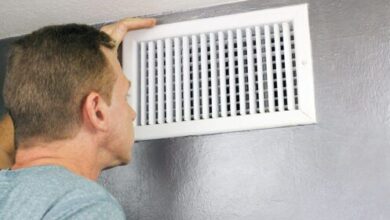
The first truly cold morning of the season has a way of revealing uncomfortable truths about your heating system. Maybe the air coming through your vents feels lukewarm at best, or perhaps strange noises emanate from your furnace that definitely weren’t there last winter. For many homeowners, this moment of discovery arrives at the worst possible time, often resulting in emergency heater repair calls and unexpected expenses that could have been avoided entirely. Texas Air Tech has been helping families maintain reliable, efficient heating systems for years, and the pattern is clear: the homes that fare best during winter are those whose owners treat their heaters with the same preventative care they’d give their vehicles.
Most of us wouldn’t dream of skipping oil changes or ignoring that check engine light, yet heating systems often go years without professional attention. This oversight makes sense on the surface since heaters typically run without complaint for months at a time. The problem is that neglect compounds silently, transforming minor issues into major failures right when you need your system most.
The Hidden Costs of “If It Ain’t Broke”
Heating systems are remarkably good at masking deterioration until something fails catastrophically. A furnace might continue producing heat even as its heat exchanger develops microscopic cracks, its blower motor strains against accumulated dust, or its gas burners lose efficiency due to carbon buildup. According to the U.S. Department of Energy, unmaintained heating systems lose approximately five percent of their efficiency each year, meaning a three-year-old system running without service could be using fifteen percent more energy than necessary to produce the same warmth.
That efficiency loss translates directly to your utility bills throughout winter. Even more concerning, certain types of neglect create genuine safety hazards. Carbon monoxide leaks, electrical failures, and fire risks all increase when heating equipment operates outside its designed parameters. The National Fire Protection Association reports that heating equipment is involved in roughly one in every seven home fires, with failure to clean being a leading factor in these incidents.
What Actually Happens During Professional Maintenance
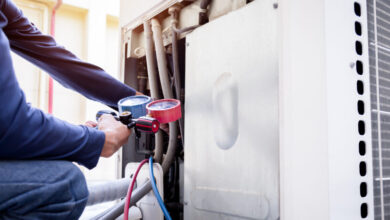
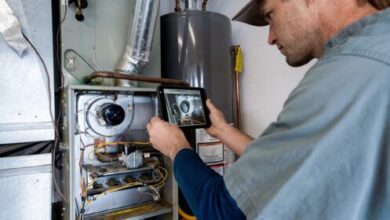
Preventative heater maintenance involves far more than simply checking whether your system turns on. A thorough service appointment addresses every component that affects performance, efficiency, and safety. Technicians inspect and clean burners, check gas pressure and connections, test safety controls, measure airflow, examine electrical connections, and verify that your system’s heat exchanger remains intact and safe.
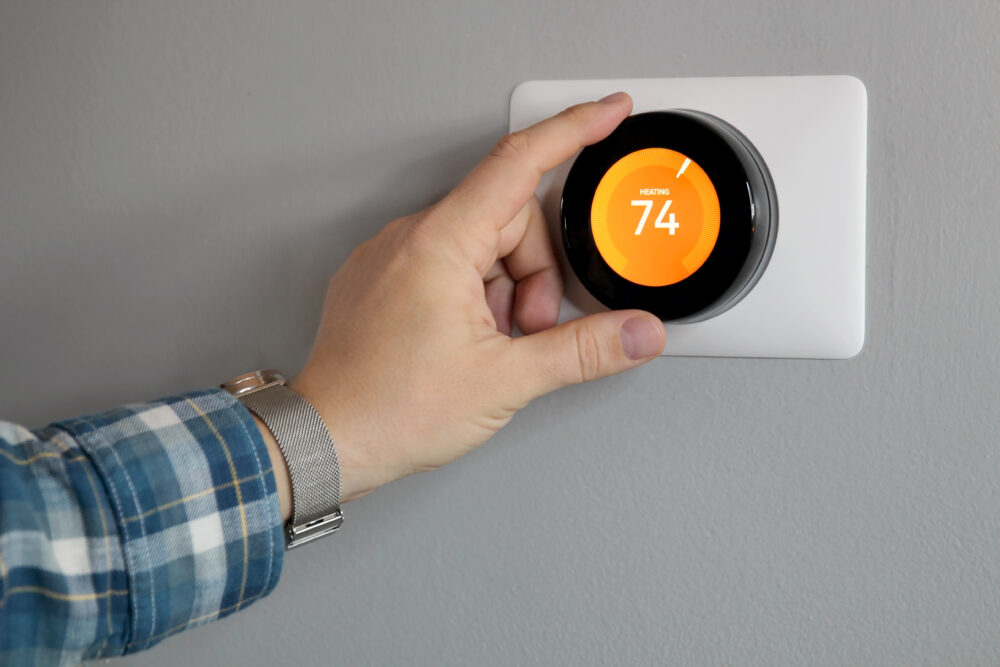
The air filter receives attention too, though this component benefits from monthly checks between professional visits. A clogged filter forces your blower motor to work harder, increases energy consumption, and allows dust to infiltrate sensitive components. During maintenance visits, technicians also calibrate your thermostat, lubricate moving parts, and tighten connections that have loosened due to the expansion and contraction that occurs with temperature cycling.
The Economics of Prevention
The cost comparison between annual maintenance and emergency repairs tells a compelling story. A typical preventative maintenance visit costs a fraction of what you’d pay for an unexpected breakdown, particularly one that occurs during peak demand when service calls carry premium pricing. More significantly, well-maintained heating systems last substantially longer than neglected ones. The average furnace lifespan is fifteen to twenty years with proper care, but that figure drops considerably when systems operate without attention.
Extended equipment life represents thousands of dollars in delayed replacement costs. When you factor in improved energy efficiency, fewer repair needs, and the peace of mind that comes with knowing your system won’t quit on the coldest night of the year, annual maintenance essentially pays for itself. Many homeowners also find that maintaining service records helps when filing warranty claims or selling their homes, as buyers increasingly request documentation of HVAC system care.
Creating Your Maintenance Routine
The ideal time for heater maintenance is early fall, before you actually need your system for daily comfort. This timing ensures that any necessary repairs can be completed without leaving you in the cold, and it avoids the scheduling challenges that come with peak season demand. Most HVAC professionals offer maintenance agreements that include annual service visits, priority scheduling, and discounts on repairs.
Your heating system works hard to keep your family comfortable through winter’s coldest months. Giving it the professional attention it needs each year protects your investment, maintains your safety, and ensures reliable warmth when you need it most. Texas Air Tech is ready to help you establish a maintenance routine that keeps your heating system running efficiently for years to come. Contact Texas Air Tech today and experience the difference that professional care makes. Your future self will thank you when your heater fires up flawlessly on that first cold morning.