What to Do If You Smell Gas Near Your Furnace
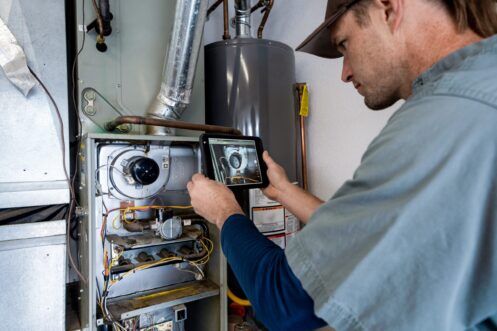

Natural gas furnaces heat homes efficiently, but they also require careful attention. This is especially true if you notice unusual odors. A gas smell near your furnace demands immediate action because the situation can escalate quickly. You can stay safe by recognizing warning signs early, responding quickly, and having a professional inspect your system before you restart it.
Recognizing the Smell of Natural Gas
You rarely smell natural gas when it is in its pure form because it lacks any noticeable odor. Gas companies add an unmistakable sulfur-like scent called mercaptan so you can detect leaks right away. When you notice that rotten-egg smell near your furnace, you should treat it as a serious warning. The odor often drifts through basements, utility closets, and mechanical rooms because these spaces are enclosed, allowing the smell to build up quickly.
Why Gas Leaks Happen Around Furnaces
A furnace relies on several connections, valves, and ignition components that handle natural gas. Any breakdown in these parts can release gas into your home. Older furnaces can develop worn seals or cracked fittings. Rust can form on burners or heat exchangers. Vibrations during operation can loosen joints over time.
Even newer systems can leak gas if installers fail to tighten connections correctly or if a component fails earlier than expected. A leak does not always come from the furnace itself. Sometimes the supply line leading to the unit releases gas, or the shutoff valve begins sticking.
Immediate Actions When You Notice a Gas Smell
You should act immediately when you smell gas, even if you think the scent seems faint or intermittent. Natural gas can accumulate in enclosed spaces and create an ignition risk long before the odor becomes overwhelming. Leave the house without touching light switches, appliances, or phones. Sparks can ignite gas, so you want to avoid anything that might trigger one. If other family members or pets are home, get them outdoors right away.
Once everyone reaches a safe distance from the home, call your gas company or emergency services and report the situation. You should never try to locate the exact source of the leak. Even if you feel confident around mechanical equipment, a gas leak can change rapidly, and one spark or open flame can make the situation dangerous. Our technicians will locate the leak with specialized tools that detect even small releases of gas.
Signs That Confirm a Gas Leak Near Your Furnace
Although the smell of gas provides your most obvious warning, other signs can signal trouble. You might hear a hissing noise near the furnace, which happens when gas escapes under pressure. The furnace might fail to ignite or might shut down suddenly. Soot around the burner compartment can indicate incomplete combustion. A yellow or flickering burner flame suggests a problem because a properly working gas furnace produces a steady blue flame. If plants near the furnace room begin wilting, you might see an issue with air quality.
How Professionals Handle Gas Leak Inspections
When one of our technicians arrives to inspect your furnace, we rely on tools and experience to identify the problem safely. We test every connection and valve with gas-detection instruments. Our team will examine the burner assembly, ignition system, and heat exchanger. We also evaluate gas pressure to ensure the furnace receives the right amount for proper operation. If we notice faulty components, we will replace them. If we find loose connections, we secure them.
In some situations, we might shut down a furnace temporarily because it needs a major furnace repair. The leak may have created enough risk to justify further testing. Our team will only clear your furnace for use after we confirm that all leaks have stopped and the system operates safely. This approach protects you from the dangers of restarting a furnace too quickly.
How Regular Maintenance Reduces the Risk of Gas Leaks
Routine furnace maintenance gives you one of the strongest protections against gas leaks. During annual inspections, we clean burners, check electrical and gas connections, and examine the heat exchanger for cracks. We also test ignition components and evaluate ventilation. These steps keep the system stable throughout winter and reduce surprises during freezing temperatures, when you rely on your furnace more heavily.
Understanding Carbon Monoxide Concerns
Gas leaks often raise concerns about carbon monoxide, which forms when a furnace fails to burn natural gas completely. You cannot smell or see carbon monoxide, so detectors play an important role in keeping you safe. Install detectors near bedrooms and on every level of your home. If a detector sounds an alarm, evacuate the house and call for help immediately.
A cracked heat exchanger creates an opportunity for carbon monoxide to enter your living spaces. Our team will inspect this component during every maintenance visit because even small cracks can release dangerous fumes.
Preventing Future Gas Smells Around Your Furnace
You can reduce future issues by creating a safe environment for your furnace. Keep the area around the unit clear so the system receives proper airflow and ventilation. Store flammable items elsewhere. Listen to unusual sounds during operation, such as clicking, banging, or whooshing. These noises often indicate developing problems. Pay attention to how often the furnace cycles on and off. Sudden changes in performance signal issues that deserve professional attention.
You should also check the pilot light or ignition system regularly if your furnace still uses older technology. A weak or unstable flame can lead to incomplete combustion and further complications. Newer furnaces rely on electronic ignition systems that eliminate pilot light issues, but they still require regular inspection.
Why You Should Never Ignore a Gas Smell
You may hope that the smell of gas might dissipate on its own, especially if it seems mild. Gas leaks rarely improve without intervention. The leak can grow, airflow can shift, and the furnace can ignite unexpectedly. A quick response prevents fire hazards, property damage, and serious health risks. When you take every gas smell seriously, you protect your home and your family.
When You Can Safely Restart Your Furnace
After one of our technicians repairs the issue and clears the system, you can restart your furnace with confidence. A member of our team will explain what caused the leak and outline the details of the repair. We may also suggest upgrades that improve safety. This includes automatic shutoff valves, updated ignition systems, and improved ventilation.
If your furnace reaches an age where major repairs happen more frequently, you might consider replacing the system. Newer furnaces operate more efficiently and offer stronger safety features, including better flame sensors and advanced gas-delivery controls. A replacement may cost more upfront, but it reduces long-term risks and energy bills.
Staying Safe Through Awareness and Quick Action
When you smell gas near your furnace, you face a situation that requires calm thinking and immediate action. With over a decade of experience in the San Antonio area, we at Rosenberg Plumbing & Air have become the trusted provider of heating and cooling services. We can also perform routine maintenance to help decrease the risk of a gas leak. To ensure your comfort and safety, contact us at Rosenberg Plumbing & Air in San Antonio, TX, today.
Tags: Furnace Repair, HVAC Tips