What is Classed as a Modification for Car Insurance?- Go Girl Car Insurance
It is important to tell your insurers about any modification you make to your car. Not all modifications will affect your premiums. If you neglect to tell your insurer about any modifications, it could invalidate your cover.
In this post we will discuss what insurers consider to be car modifications, and outline what sort of modifications may affect your cover.
What is Classed as a Car Modification?
Most insurers define a car modification as any alteration that you make to your car that
- wasn’t part of the manufacturer’s standard specification, or
- that wasn’t fitted as an optional extra at the point of sale.
The Different Types of Car Modifications
Broadly speaking, there are three types of car modifications:
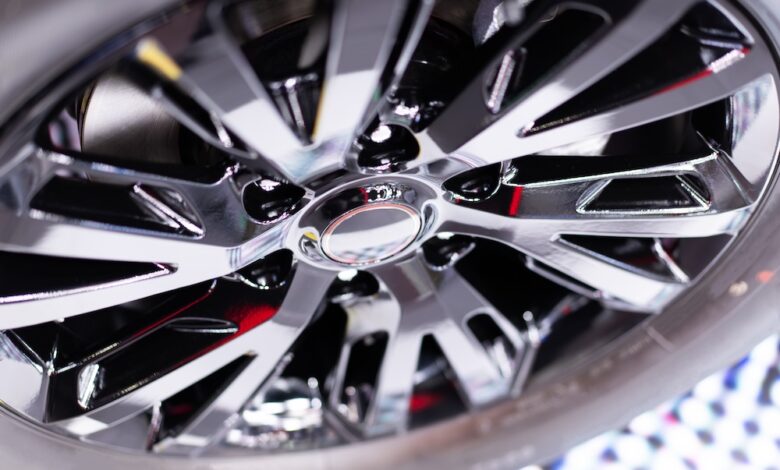
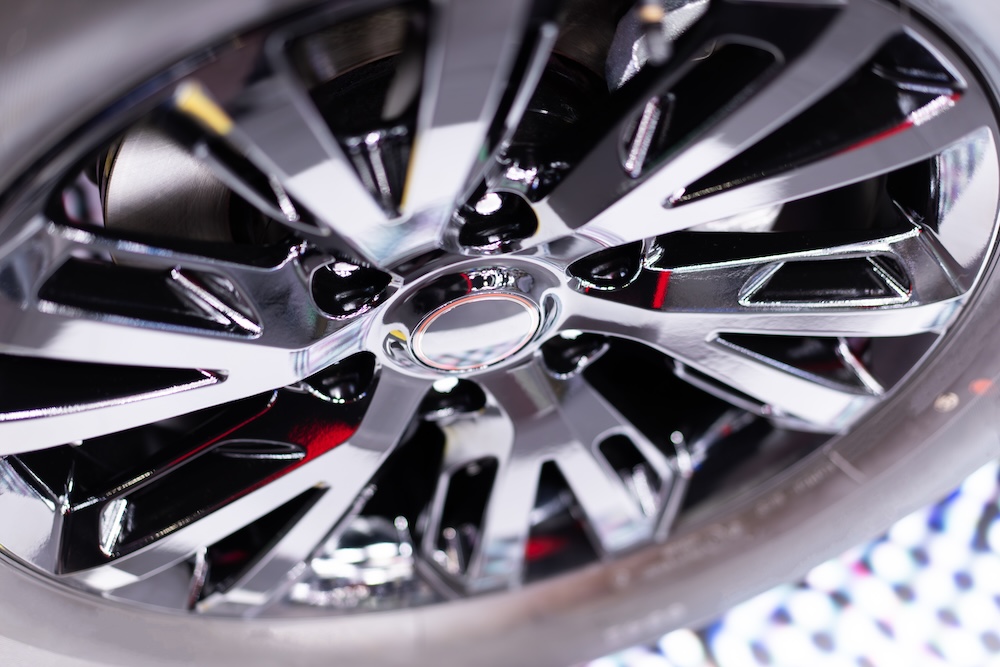
- Cosmetic – These are things that affect the way a vehicle looks, but not necessarily the way it performs. Examples may include alloy wheels, paint jobs, and car stickers and eyelashes.
- Performance – These modifications will fundamentally affect the way your car performs. Examples may include turbocharged engines, changes to transmission or gears, and uprated brakes.
- Safety and accessibility – Finally, some modifications can improve vehicle safety, such as new parking sensors. Others can make a vehicle more accessible for drivers with disabilities.
What Car Modifications Can Affect Car Insurance?
Modifications That Can Reduce Car Insurance
First, there are some modifications that are beneficial to add that can help with your car security or recovering your vehicle if it is stolen. For example:
- Installing an immobiliser that did not come as standard.
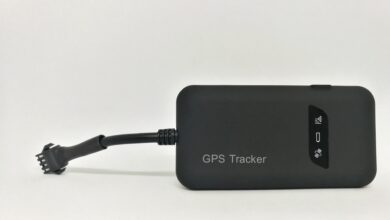
- Installing a GPS tracking system can help you recover your car following a theft.
Some insurers may offer a lower premium for added security features.
Modifications That Can Increase Car Insurance
Some car modifications can lead to higher premiums. For example:
- Modifying your car to improve the car’s performance may increase your car’s top speed, along with its braking distance and manoeuvrability.
- Cosmetic modifications could reduce your visibility, or even affect the protection your car would provide in the event of a crash.
- Alloy wheels and certain paint jobs could make your car more attractive to thieves. Apart from anything else, cosmetic modifications can be costly and difficult to repair following a collision.
These types of modifications can make accidents more likely, and potential repairs more expensive – both of which will drive up your cost of cover.
Why You Need To Tell Your Insurer About Any Modifications You Make
If you ever need to make a claim on your policy, any undeclared modifications could invalidate your cover and your insurer may choose to cancel your policy. You would then need to meet any expenses yourself, and you may even have to shop around for a new policy.
Telling your insurer about modifications may raise the price of your policy but not telling them could cost you much more in the long term. It’s simply not worth the risk.
It is a good idea to talk to your insurer before you make any modifications to your car. Your insurer may not want to cover you at all for certain modifications. So talk to them first, to avoid invalidating your policy.
Get your insurance from a provider that understands your unique needs as both a young driver and a modified car driver. At Go Girl, we know that all modifications are different, and all drivers are different.
Find out more about our Car Insurance for Modified Cars.
Blogs are for general information only and do not form part of any contract or should not be relied on in any way. Information is correct at time of publication. Please contact Go Girl by email for specific information.