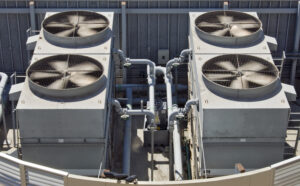
Many business owners and facility managers don’t think about their rooftop HVAC unit until something goes wrong. However, that delay in attention can lead to substantial expenses. When a rooftop system fails during peak heating or cooling season, downtime can disrupt operations, drive away customers, and even force temporary closure. The good news is that rooftop units tend to provide early warning signs. Scheduling commercial HVAC service when you notice these problems can help you avoid an expensive breakdown.
1. Uneven Temperatures of Difficulty Achieving Settings
One of the earliest warning signs of an HVAC issue involves comfort complaints. If one area of a building feels warm while another stays cold, your rooftop unit may have airflow issues, duct leakage, or controls that are not responding properly. You might also notice longer running times without the building reaching the set temperature. These issues often point to a repairable problem but ignoring them can push the unit toward failure. Parts will strain and become damaged under increased demand.
2. Rising Utility Bills With No Operational Changes
Energy costs tend to rise when an HVAC system loses efficiency. If your operating hours and occupancy stay consistent, but your bills climb, your rooftop unit may be running longer cycles or struggling to maintain temperature. Dirty coils, failing motors, refrigerant issues, and restricted airflow can all increase power use. This is where early commercial HVAC service can save money. Our team can pinpoint the specific cause instead of guessing and replacing parts unnecessarily.
3. Short Cycling or Constant Cycling
Rooftop units should run in steady cycles that match the building’s load. When the system turns on and off frequently or runs almost nonstop, you have a performance problem. Short cycling can happen when sensors read inaccurately, airflow drops too low, or the unit is oversized or misconfigured for the space. Constant cycling can indicate that a unit is not able to keep up with building demand. Either condition increases mechanical stress or raises the risk of sudden breakdown.
4. Strange Noises or New Vibrations
Commercial rooftop units make normal operational sounds, but noticing changes is important. Grinding, squealing, rattling, or banging noises can indicate worn belts, failing bearings, loose components, or fan issues. Vibrations can point to mounting problems or unbalanced fans, which can lead to premature failure if the unit continues to run. Since rooftop equipment is outside, weather and wind can speed up wear on panels, fasteners, and internal components. If the sound of the unit changes, it’s worth investigating early.
5. Water Leaks, Drain Problems, or Ice
Water around a rooftop unit usually indicates drainage issues, clogged condensate lines, or internal performance problems. If water backs up, it can damage the unit and create roof risks. In the href=”https://www.smairtx.com/commercial/air-conditioning/”>air conditioning season, improper drainage can also lead to humidity issues inside the building. Ice on refrigerant lines or coils can signal restricted airflow or refrigerant problems. Many businesses try to let it thaw and hope it resolves, but the ice often returns unless you address it.
6. Frequent Service Calls or Repeat Repairs
A rooftop unit that needs service repeatedly in a short period of time is cause for concern. One repair doesn’t automatically mean replacement, but repeated issues suggest that multiple components are wearing out. When downtime becomes a regular event, replacement may offer better long-term value and reliability. A good rule is to watch for patterns. If the same issue recurs or new failures emerge each season, replacement planning may be the smarter business decision.
How Annual Maintenance Prevents Downtime
Annual maintenance is one of the most cost-effective ways to prevent rooftop failure. Our team can clean coils, confirm airflow, inspect electrical components, check refrigerant performance, and test safety controls. More importantly, maintenance identifies problems early, before they trigger shutdowns during peak season. Maintenance also supports better energy efficiency and more predictable budgeting. Instead of emergency repairs at premium times, you can plan service around your schedule and reduce operational disruptions.
Schedule Commercial Rooftop HVAC Support
If your rooftop unit shows any of the signs that you have repair needs, it’s time to act before you face unexpected downtime. SM Air provides commercial HVAC services to help your business stay comfortable and avoid emergency closures due to HVAC failure. We have been providing dependable heating and cooling services to businesses and homes in the San Marcos, TX area for decades. Schedule a rooftop inspection or annual maintenance with SM Air in San Marcos today.