Cold-Weather Heat Pump Issues | Rosenberg Plumbing & Air

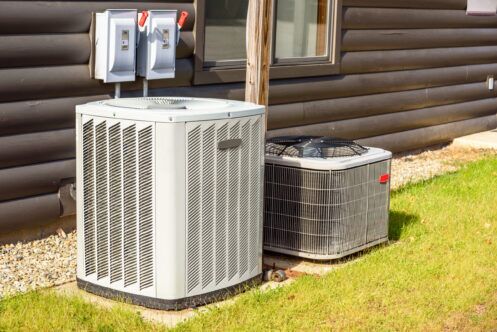
Winter puts extra demand on heat pumps because cold outdoor air makes heating harder to maintain. Many homeowners notice comfort changes once winter arrives and wonder if their system is struggling. Heat pumps work differently than furnaces, which can make normal winter operation feel unfamiliar. Cold weather often exposes efficiency losses that go unnoticed during warmer months. Understanding how winter affects a heat pump helps homeowners recognize what is normal. This guide explains which signs need attention and when professional service is necessary.
Cold Air Coming From the Vents
Feeling cool air from the vents during winter often worries homeowners using heat pumps. Unlike furnaces, heat pumps deliver air that feels cooler while still warming the home. The system works by transferring heat rather than producing high-temperature air. On colder days, vent air may feel lukewarm without indicating a system failure.
Thermostat behavior affects how heated air feels at the vents. When the system reaches the set temperature, it may continue circulating air while delivering less heat. This can create the impression of cool air even while the home remains comfortable. Thermostat placement can also influence how frequently the system adjusts output.
Duct layout influences temperature consistency throughout the home. Long duct runs lose heat before air reaches distant rooms. Poor sealing allows heat to escape into unconditioned spaces. These factors often cause noticeable room-to-room temperature differences during winter operation.
System Running Nonstop
A heat pump running for long periods during winter often operates as designed. Cold outdoor air contains less available heat, requiring longer cycles to maintain indoor temperatures. Heat pumps perform best with steady operation instead of frequent on-and-off cycling. Continuous operation can support consistent comfort.
Outdoor temperature thresholds directly affect runtime length. When temperatures drop near or below freezing, heat extraction becomes more demanding. The system must work longer to gather enough heat from the air. Extended cold spells naturally increase operating time.
Home size and insulation quality strongly influence system workload. Larger houses require more heating output to maintain comfort. Poor insulation allows heat loss through walls and ceilings. These conditions force the system to run longer to offset losses.
Higher-Than-Normal Energy Bills
Energy bills often rise during winter as heating demand increases. Longer run times raise electricity use over extended periods. Small efficiency losses may go unnoticed while comfort remains stable. Costs often accumulate gradually during sustained cold weather.
Billing cycles can delay cost awareness. Higher usage during cold weeks may appear on later statements. This timing often surprises homeowners reviewing their bills. Seasonal patterns become clearer when comparing several months.
Comparing current bills to previous winters provides helpful insight. Utility rate increases can raise costs without equipment problems. Colder weather alone can explain higher usage. A professional assessment can help you separate pricing changes from system strain.
Ice on the Outdoor Unit
Seeing ice on an outdoor heat pump in winter can be alarming. A light layer of frost is common during cold, damp conditions. Heat pumps regularly enter defrost cycles to clear this buildup. Frost that comes and goes usually does not affect performance. Thick ice covering coils or blocking airflow requires attention. Homeowners often notice ice first because the unit stays exposed outdoors all winter.
Ice buildup can strain the system by limiting airflow and heat transfer. When ice remains in place, efficiency drops and components work harder. Extended icing may also signal drainage or airflow problems. Ignoring heavy ice increases the risk of damage during freezing weather. A professional can determine whether ice formation reflects normal winter behavior or signals an underlying issue.
Emergency Heat Turning On Too Often
Emergency heat serves as backup during extreme winter conditions. It relies on electric resistance instead of heat transfer. Brief use helps maintain comfort during severe cold snaps. Frequent operation during normal winter weather deserves attention. This mode consumes more electricity than standard heat pump heating. Many homeowners first notice the change when they notice higher utility bills. Automatic system controls often activate it without clear alerts.
Frequent use often points to performance issues elsewhere in the system. Cold weather can expose efficiency losses that remain hidden during milder seasons. Relying on backup heat for long periods steadily raises operating costs. Electrical components also experience added strain. A professional evaluation helps to identify why backup heat activates so often. Addressing the cause restores balanced operation and improves winter efficiency. Ignoring frequent activation can quietly increase heating expenses throughout the season.
Short Cycling During Cold Weather
Short cycling occurs when heating runs briefly and then shuts off. The system never stays on long enough to stabilize indoor temperatures. Rooms may feel unevenly heated throughout the day. Comfort drops even though the heat pump turns on repeatedly. This behavior reduces efficiency during colder weather.
Cold conditions increase demand and can reveal underlying control or airflow problems. Frequent starts and stops place extra stress on motors and controls. Wear builds faster when cycling continues through winter. Performance often declines over time. A professional diagnosis identifies the cause and restores steady operation. Early correction protects efficiency and supports reliable heating. Left unresolved, short cycling can shorten equipment life and increase winter repair costs.
Unusual Noises in Winter
Winter can make heat pumps sound louder than expected. Cold temperatures tighten metal parts and push fans to work harder. Defrost cycles also happen more often during freezing weather. Short whooshing sounds or light clicking usually signal normal operation. These noises often appear during startup, shutdown, or temperature changes, then fade without affecting comfort.
Persistent banging, grinding, or sharp rattling should always raise concern during winter. Noises that repeat constantly or grow louder often point to loose parts or strain. Cold conditions place extra stress on moving components. Ignoring these sounds allows damage to spread. What starts small can lead to breakdowns that interrupt your heating when comfort matters most.
Winter noise checks help to keep your heat pump reliable. A technician can distinguish normal seasonal sounds from developing problems. Inspections focus on motors, fan blades, mounts, and panels affected by cold. Early service limits wear and helps you avoid surprise failures. Addressing noise early keeps your heating steady and prevents small issues from turning into costly repairs later in the season.
Preventing Winter Heat Pump Problems
Winter heat pump problems rarely appear without warning. Small airflow issues, worn parts, or minor control problems often come first. Cold weather makes these weaknesses harder to ignore. Regular professional maintenance helps to identify concerns before performance drops. Inspections focus on the parts that work hardest during winter. Early attention reduces strain and helps the system maintain steady heat during extended run times.
Get the Help You Need to Maintain Your Comfort
At Rosenberg Plumbing & Air, we focus on preventing winter heat pump issues before they disrupt your comfort. Our team inspects system performance and addresses concerns tied to cold-weather operation. Many homeowners rely on routine heat pump services to keep systems dependable through winter. Continued care is also available through our Comfort Club membership program. Regular service helps to reduce breakdown risks and supports consistent heating when winter demand increases.
For maintenance and repairs in San Antonio and the surrounding areas, give us a call at Rosenberg Plumbing & Air today.
Tags: Heat Pump