How To Know If a Pipe Is Frozen in Your Home

Freezing weather can cause serious plumbing problems quickly. When temperatures drop, water inside your pipes can freeze, expand, and even cause the pipe to burst. Knowing how to tell if pipes are frozen can help you act quickly and avoid costly water damage.
In this blog, we’ll explain the most common warning signs, what causes frozen pipes, and what to do about them if they happen in your home.
Why Do Pipes Freeze In the First Place?
Pipes freeze when water inside them is exposed to cold air for too long. This is most common during winter cold snaps, especially in areas where plumbing is not well insulated. Some pipes are more likely to freeze than others, including:
- Pipes in unheated attics or crawl spaces
- Outdoor hose bibs
- Pipes in exterior walls
- Garage plumbing lines
- Pipes under sinks near outside walls
When water freezes, it blocks the flow and creates pressure inside the pipe. That pressure is what can lead to cracks or bursts.
How To Know If a Pipe Is Frozen
So, how do you know if a pipe is frozen? Below, we discuss the most common signs homeowners notice.
1. No Water or Very Low Water Flow
One of the first signs is when you turn on a faucet and little or no water comes out. This usually means ice is blocking the pipe. If only one faucet is affected, the frozen section is likely close to that fixture.
2. Frost or Ice On the Pipe
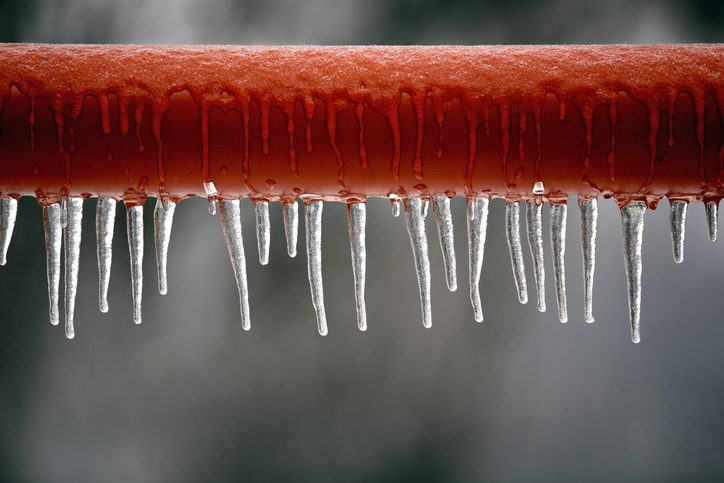
If you can see exposed pipes, inspect them closely. Visible frost, ice buildup, or a pipe that feels extremely cold is a strong clue. This is one of the easiest ways to tell if your pipes are frozen.
3. Strange Smells From Drains
When pipes are frozen, odors may not be able to move through the plumbing system normally. You may notice bad smells coming from sinks or shower drains.
4. Odd Sounds When You Turn On the Faucet
Frozen pipes can sometimes cause unusual noises, like whistling, banging, or gurgling, when you try to run water. These sounds may happen because water is struggling to move past an ice blockage.
5. Bulging or Cracked Pipes
Frozen water expands, and this expansion can cause pipes to bulge or even crack. If you see a swollen section of pipe, it may be frozen and at risk of bursting.
6. Water Leaks When the Pipe Thaws
Sometimes you won’t know a pipe has frozen until it starts leaking. Once the ice melts, water can escape through small cracks or splits. If you notice water stains, dripping, or puddles, shut off your water supply and call a plumber right away.
What To Do About Frozen Pipes
If you suspect a pipe is frozen, don’t panic, but do act quickly. Here are the best next steps:
- Turn Off the Water: If you think the pipe may burst or has already cracked, turn off the main water valve to avoid flooding. The main shut-off valve is often near the water meter, in the basement, or where the line enters the house.
- Open the Faucet: Turn on the faucet connected to the frozen pipe. This relieves pressure and helps water flow once the ice begins melting.
- Warm the Area Slowly: Focus on carefully warming the frozen section of the pipe.
How To Thaw Frozen Pipes Safely
If the pipe is accessible, you may be able to thaw it without professional help. Safe methods include:
- Using a hair dryer on a low setting
- Applying warm towels to the pipe
- Using a portable space heater nearby (never too close)
Start heat application near the faucet end and work your way toward the frozen area.
What NOT To Do
Avoid using:
- Open flames or torches
- Charcoal heaters
- Anything that could cause fire or pipe damage
If you cannot reach the frozen pipe or you’re unsure, it’s best to call a professional. Our team at Parobek Plumbing & Air Conditioning offers extensive plumbing services to protect your pipes all year long. Contact us today if you’re dealing with winter-related plumbing issues!
How To Fix Frozen Pipes and Prevent Bursts
Many homeowners ask how to fix frozen pipes, and the truth is that frozen pipes can often require expert help, especially if:
- The pipe has burst
- Water is leaking behind your walls
- Multiple fixtures are affected
- The frozen area is underground or hidden
Our licensed plumbers can thaw the line safely, repair damage, and check for other weak spots before they become emergencies.
How To Avoid Frozen and Burst Pipes in Winter
The best way to prevent frozen pipes is preparation. A few simple steps can make a big difference:
- Insulate exposed pipes in attics, garages, and crawl spaces
- Let faucets drip during extremely cold weather
- Keep cabinet doors open under sinks
- Disconnect outdoor hoses and cover hose bibs
- Keep your home heated, even when traveling
- Seal leaks where warm air can escape, such as cracks in walls and underneath doors
These small actions help protect your plumbing system all winter long.
Call Our Plumbers for Help With Frozen Pipes
Frozen pipes can lead to major water damage if not handled quickly. If you need frozen or burst pipe repair, Parobek Plumbing & Air Conditioning is ready to respond. Our family-owned company has served Texas homes since 1999, offering:
- Same-Day Service
- Licensed, Experienced Plumbers
- Upfront Pricing
- 100% Satisfaction Guaranteed
If you’re dealing with frozen pipes or worried about a burst line, don’t wait. Contact us today to schedule plumbing service and protect your home.