Professional Plumbing Inspection | Rosenberg Plumbing & Air

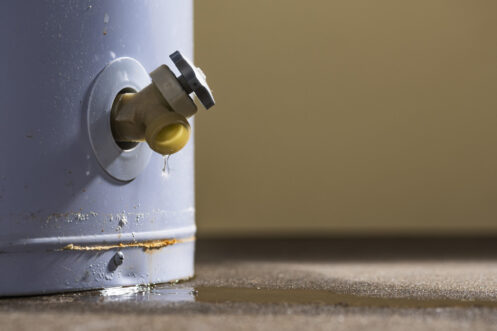
Plumbing problems often start quietly and stay hidden, which makes them easy to miss. Many San Antonio homeowners don’t realize something is wrong until damage becomes visible and repairs become costly. A plumbing inspection helps catch issues early, before they interfere with daily use or affect the home. Most plumbing issues show warning signs, such as changes in water pressure, water quality, or utility bills. Paying attention to these changes helps homeowners schedule an inspection at the right time and avoid added stress. This guide covers seven common signs that indicate your home needs a plumbing inspection.
1. Slow Drains That Never Fully Improve
Slow drains may seem minor when water eventually clears, but ongoing drainage problems often signal deeper plumbing issues. Grease, soap residue, and debris collect beyond easy reach and gradually restrict water flow. When multiple fixtures drain slowly, the problem usually extends beyond a single pipe. These conditions increase internal pressure and place added stress on the plumbing system.
Temporary fixes provide brief relief but fail to resolve the underlying cause. Water flow improves briefly, then slows again without warning. Pipe damage, poor alignment, or heavy buildup restricts movement farther down the line. A professional plumbing inspection identifies the blockage and explains why it keeps returning. Early evaluation prevents backups, odors, and avoidable water damage.
2. Weak or Inconsistent Water Pressure
Most homes maintain steady water pressure, whether someone is showering, running the washer, or using a sink. When pressure begins to fluctuate, it’s rarely random. Faucets may run weak one moment and recover the next, or pressure may drop whenever more than one fixture is in use. These changes often indicate an issue inside the plumbing system, such as corrosion, mineral buildup, or a small leak that has gone unnoticed.
Pressure problems affect more than convenience. Over time, they place added strain on pipes, valves, and appliances that depend on consistent flow. Water heaters, washing machines, and dishwashers may wear out faster when pressure continues to fluctuate. Many homeowners attempt fixture adjustments or part replacements, only to see the problem return. A professional plumbing inspection identifies the source of the pressure loss so a plumber can fix it before it leads to leaks or more serious damage.
3. Rising Water Bills Without Explanation
A higher water bill is often the first sign that water is leaking where it should not. Even small leaks can waste a significant amount of water over time. These issues are easy to miss because leaks commonly develop behind walls, beneath floors, or below the foundation. Many homeowners notice no visible changes inside the home while water usage continues to climb. Over time, that wasted water drives up monthly costs and contributes to moisture-related damage.
Without an inspection, leaks can continue unchecked and worsen as time passes. Excess moisture can weaken building materials and encourage mold growth long before any visible signs appear. Professional plumbers use specialized equipment to locate leaks accurately. professional leak detection helps identify hidden problems early, allowing repairs before damage becomes more extensive.
4. Water Stains or Moisture on Walls and Ceilings
Stains on ceilings or walls rarely appear without an underlying water issue. Peeling paint or bubbling drywall often indicates that moisture has collected behind the surface. Water can travel along framing before becoming visible, making the source difficult to pinpoint. By the time discoloration appears, the leak has usually been present longer than expected.
Moisture trapped inside walls weakens wood, drywall, and insulation. Damp conditions also create an environment where mold can develop. Delaying action allows damage to spread into surrounding areas. Identifying the source early limits how far the problem spreads and reduces the scope of repairs.
5. Unusual Noises Coming From Pipes
Pipes should remain quiet during normal use. Loud banging often occurs when water pressure changes too quickly. Rattling sounds may indicate loose pipes shifting inside walls or ceilings. Gurgling noises typically point to trapped air somewhere in the system. These sounds signal stress within the plumbing, not normal operation.
Plumbing noises rarely resolve on their own and tend to worsen over time. Ongoing stress increases wear on joints, fittings, and pipe connections. Even minor movement can loosen supports and damage nearby materials. Many homeowners ignore these sounds until leaks or visible damage appear. Paying attention to these sounds early helps prevent damage that becomes harder to contain later.
6. Cloudy or Discolored Water
Water from the tap should always be clear. When it’s not, something inside the plumbing system has changed. Cloudy water often appears when sediment moves through supply lines after heavy use or sudden pressure changes. Rust-colored water usually signals older pipes breaking down from the inside. These changes can occur without other obvious plumbing problems, and many homeowners notice them for the first time during everyday use.
Discoloration affects more than appearance. Corrosion weakens pipes over time, and sediment damages fixtures and interferes with valves. Homeowners often blame the issue on a faucet, but the problem usually starts deeper in the system. Deterioration rarely stays isolated and spreads through connected pipes, increasing the risk of leaks.
Clear water matters for daily use and the long-term condition of the plumbing. When discoloration appears, guessing rarely fixes the problem. Pipe age, materials, and internal buildup influence water quality, and you can’t see any of these factors from the outside. Early evaluation helps guide proper repairs or replacements and prevents damage from becoming more expensive to address.
7. Older Plumbing With an Unknown History
Many older homes still rely on pipes installed decades ago, and some of those materials are nearing the end of their lifespan. Wear can progress quietly without producing clear warning signs. When repairs go undocumented, weak points remain behind walls or beneath floors. Water quality and daily use both influence how quickly pipes deteriorate. Even when pipes appear intact, internal corrosion or worn joints may already be present.
Unknown pipe issues make planning harder and increase the chance of surprise leaks. Seeing inside the pipes takes away much of the guesswork. Video camera pipe inspections let plumbers check pipes without cutting into walls or floors. Homeowners get a clear look at their pipes and can deal with problems before leaks or expensive repairs occur.
Why Early Plumbing Inspections Matter
Plumbing inspections help find problems before they cause damage. Many issues start small and stay hidden. Catching them early keeps repairs simpler and less expensive. Inspections also show the overall condition of the plumbing. This helps homeowners plan maintenance instead of dealing with emergencies.
Preventive care protects pipes, fixtures, and nearby surfaces. Hidden moisture can damage floors, walls, and cabinets over time. Water quality is usually better when pipes are in good shape. Regular inspections reduce the risk of sudden failures. They also help plumbing systems last longer.
Professional Help When Warning Signs Appear
When warning signs appear in your San Antonio, TX home, professional evaluation can stop small plumbing issues from turning into costly repairs. Rosenberg Plumbing & Air provides thorough plumbing inspections that clearly identify concerns and explain available solutions. Services include detailed inspections, leak detection, and camera evaluations that give homeowners a complete understanding of their plumbing system. If you notice any of these signs, take action now. Contact Rosenberg Plumbing & Air today to schedule a plumbing inspection and protect your San Antonio home from avoidable damage.
Tags: Plumbing tips