Why Your HVAC System Can’t Keep Up on Cold San Antonio Mornings

As a San Antonio homeowner, you will often notice patterns when winter arrives. The house feels colder in the early morning, and your system seems to run longer to catch up. That experience often occurs during cold snaps, but it can also signal performance issues that need attention. Understanding why your system works harder in the morning helps you separate normal behavior from problems that require maintenance, repair, or replacement.

Why Mornings Are the Hardest Time for Your HVAC System
Early morning temperatures create the biggest heating demand of the day because your home has lost warmth overnight while outdoor conditions drop. By the time you wake up, the system must overcome a larger gap between indoor comfort and outdoor cold, which forces longer run times and slower recovery.
Thermostat setbacks can intensify this effect by allowing temperatures to fall overnight and then calling for rapid heating in the morning. That sudden demand often makes the system seem sluggish, even when it operates normally under colder conditions.
Aging Equipment Loses Morning Performance
Heating systems gradually lose efficiency as they age. Components wear down, airflow declines, and the system requires more energy to produce the same level of heat. Those changes often show up most clearly in the morning, when the system faces the biggest workload.
Older furnaces and heat pumps may struggle to keep up because they can’t produce heat as efficiently as they once did. You might notice longer run times, uneven room temperatures, or difficulty reaching the thermostat setting. These signs suggest that the system is working harder than it should to meet demand.
Airflow Restrictions Make Cold Spots Worse
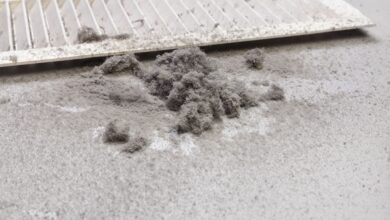
Airflow problems frequently show up on cold mornings. Dust buildup, clogged filters, blocked vents, or duct issues can prevent warm air from circulating effectively. When airflow drops, heat can’t reach all areas of the home evenly, and the system takes longer to raise the overall temperature. Restricted airflow also forces the system to run longer cycles, increasing internal component wear. That strain often appears during high-demand periods, such as early morning heating.
Maintenance Gaps Reduce Heating Efficiency
Routine maintenance is also important for morning performance. Heating systems rely on clean components, proper calibration, and safe operation to produce consistent warmth. Without regular service, efficiency declines and response times increase. Dirty burners, worn blower parts, or poorly calibrated thermostats can all affect how quickly your system warms your home. Those issues may go unnoticed during mild conditions, but cold mornings expose them quickly.
System Sizing Can Limit Morning Recovery
Some homes struggle every winter morning because the system lacks the capacity to handle temperature swings. An undersized HVAC system can’t generate enough heat to close the gap quickly between indoor and outdoor temperatures. In these cases, the system may run constantly yet still fall short of the thermostat setting. Oversized systems create a different problem. They heat the home too quickly, cycle off frequently, and fail to distribute heat evenly.
When Morning Struggles Are Normal
Some morning performance delays fall within normal operation. HVAC systems require time to recover after hours of heat loss, especially during cold snaps. Longer run times, gradual warming, and temporary temperature imbalances often reflect the system doing its job under demanding conditions.
If your system reaches the desired temperature within a reasonable timeframe and maintains comfort afterward, it likely operates as expected. Monitoring performance over time helps you identify whether conditions remain consistent or begin to decline.
When It Signals a Red Flag
Certain signs suggest the system needs attention rather than patience. If the home never reaches the thermostat setting, rooms stay cold, or the system runs nonstop without improvement, a deeper issue likely exists. Unusual noises, frequent cycling, rising energy bills, and uneven heating also indicate trouble. These symptoms often connect to airflow problems or aging equipment that can no longer meet demand.
Maintenance, Repair, or Replacement: What Makes Sense?
Choosing the right solution depends on your system condition and performance history. Maintenance often resolves airflow issues, calibration problems, and minor wear that slows morning heating. Repairs address failing components that limit heat production or distribution. Replacement becomes the better option when the system struggles consistently, repairs become frequent, or efficiency drops significantly. Modern equipment handles temperature swings more effectively by delivering better airflow and reducing energy use.
Have an Emergency?
We Can Help!
Stay Ahead of Cold Morning Heating Problems
Cold San Antonio mornings reveal how well your HVAC system performs under pressure. Some delays fall within normal operation, but ongoing struggles point to problems that deserve attention. If your HVAC system can’t keep up on cold mornings, Damiani’s Comfort Design can help. Serving the San Antonio area since 1985, we are a trusted heating and cooling company in the community. Schedule a professional inspection with us today.