10 new driving laws for 2026
2026 is a year packed with rule changes that could hit your licence, your wallet, or your daily commute if you don’t stay ahead of them. From tougher road safety measures to new tax rules and EV updates, these reforms are set to reshape UK roads.
Let’s break down the key changes to help you stay confident, compliant, and fully prepared.
1. Stricter penalties for not wearing a seatbelt
Seatbelts have been the law for decades, but 2026 is the year the consequences get sharper. The government is expected to introduce tougher penalties, adding three penalty points to the usual fine if you or a passenger isn’t strapped in.
Right now, you’ll typically only get a fine. Soon, it could hit your licence too.
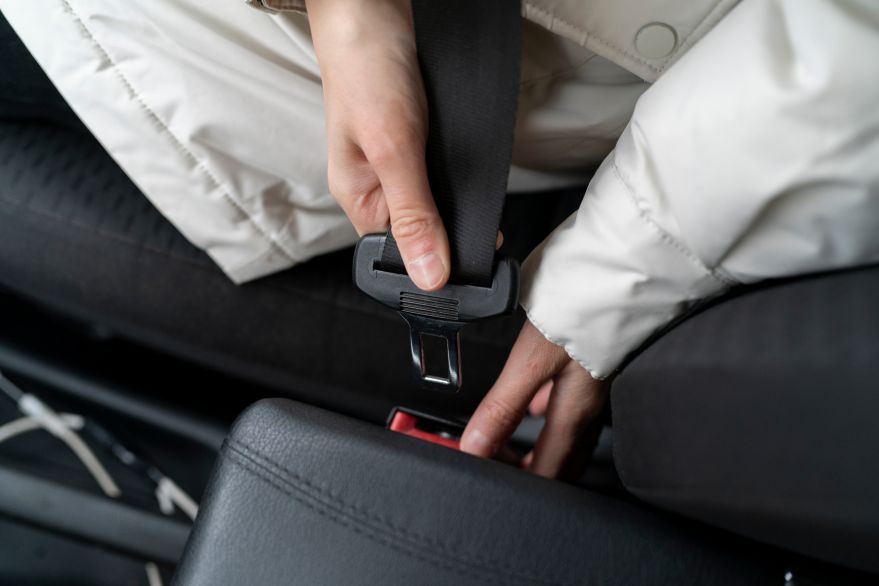
Drivers are responsible for making sure children are correctly belted. It’s a small habit that makes a big difference, so click in every time.
2. A lower drink‑drive limit
England and Wales are considering bringing their drink‑drive limits in line with Scotland’s, cutting the legal breath-alcohol limit from 35 micrograms to 22 micrograms per 100ml of breath.
For some drivers, this could mean that even one drink puts them over the limit. The clearest, safest rule still applies: if you’re driving, don’t drink.
3. Faster drug‑driving testing
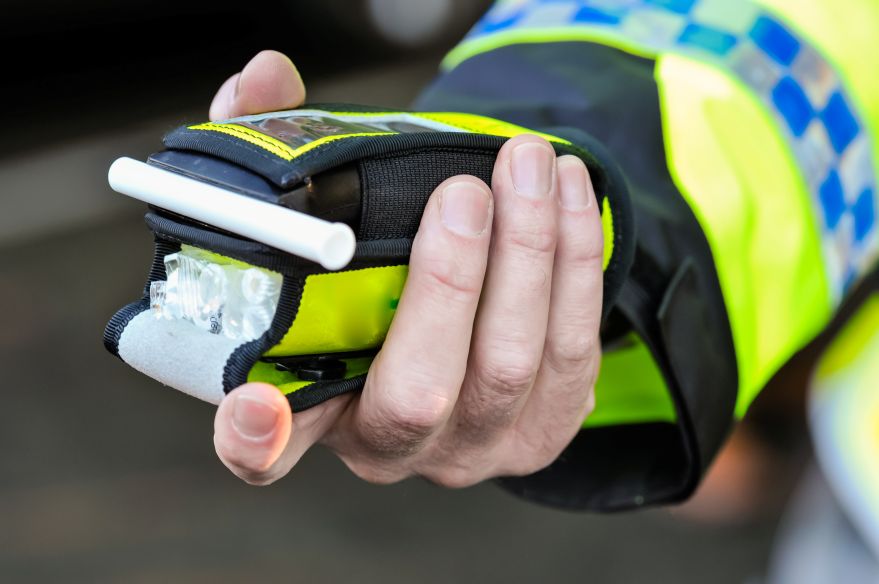
Police are also expected to adopt new roadside saliva tests that can be used as evidence more often without needing a follow‑up blood sample.
This means faster investigations and fewer loopholes – and a clearer message: drive sober, or risk losing your licence.
4. Mandatory eyesight tests for drivers over 70
As part of an ongoing safety consultation, drivers aged 70+ may soon have to take an eyesight test every three years instead of simply declaring that their vision is good enough.
It’s a practical change designed to protect everyone on the road, and a reminder that regular eye checks are a smart idea long before you hit 70.
5. London Congestion Charge rises and EV discounts change
If you drive into central London, keep this one on your radar.
As of 2 January 2026, the Congestion Charge has risen from £15 to £18.
At the same time, the previous 100% discount for electric vehicles has ended.

Instead:
- EV drivers get 25% off if they use Auto Pay
- Electric vans, HGVs and quadricycles get 50% off
- Discounts only apply if you’ve registered for Auto Pay
If London is part of your commute, now’s the moment to double‑check your Auto Pay status – and maybe your budget!
6. Fuel duty could rise from September 2026
Fuel duty has been frozen for years, but that freeze is set to thaw. Plans suggest the government will begin reversing the 5p per litre cut later in the year, and fuel duty will start increasing in line with inflation again.
Put simply: petrol and diesel may get more expensive from autumn 2026. For high‑mileage drivers, that’s worth planning for now.

7. Electric car “luxury tax” threshold increases
Good news for EV buyers: the Expensive Car Supplement – the extra tax applied to cars over £40,000 – will shift to £50,000 for zero‑emission vehicles from April 2026.
That means around half (51%) of new electric cars will fall out of the extra charge entirely, compared to the current 37%. A small win for cleaner driving.
8. Changes to the Motability scheme
From late 2025, high‑end cars, including many BMW, Audi and Mercedes models, as well as coupes and convertibles, are no longer eligible for Motability.
From July 2026, vehicles that require an Advance Payment will be subject to 20% VAT, and most new leases will include the standard 12% insurance premium tax.
Wheelchair Accessible Vehicles remain exempt from these increases, keeping essential mobility support protected.
9. Benefit‑in‑Kind (BiK) rates increasing again
Company car drivers, this one’s for you.
Benefit‑in‑Kind rates will rise again from April 2026 by one percentage point. Electric vehicles will move from 3% to 4%, with higher‑emissions cars scaling all the way up to 37%.
If you’re choosing your next company car soon, it’s worth checking how your emissions band stacks up before locking anything in.
10. Learner drivers get more control over test bookings
After months of frustration with bots, resellers and long waits, learner drivers will soon get a fairer system.
From spring 2026, third‑party reselling of test slots will be stopped, driving instructors won’t be able to bulk‑book tests and limits will be placed on how many times a test can be moved.

The aim is for shorter waits, less stress, and a smoother path to that pink licence. Let’s see if it makes a dent in the long backlog of learner drivers waiting for a test!
Stay ready for the road ahead
With so many changes landing at once, staying informed is the best way to avoid surprise penalties or added costs. And that’s where we come in.
At Howden, we’re here to help you protect what matters most, from your car to your peace of mind. If you want insurance that works harder for you, speak to a specialist who genuinely cares.
Sources: Nationwide Vehicle, Autotrader, Yorkshire Post.
You could also read:
This is a marketing blog by Howden.