How Pets Affect Your HVAC System


Pets add a lot of joy to a home, but they also add extra demand on your HVAC system. Fur, dander, and fine dust build up quickly, especially when pets spend time on furniture and bedding. Your system pulls those particles through returns and pushes them back through supply vents. That constant circulation affects airflow and filter performance.
In pet-friendly homes, small performance changes show up sooner. You may notice dusty vents, lingering odors, or uneven temperatures. These signs do not always point to the need for a major repair, but they can signal buildup that needs attention. When you understand how pets influence your HVAC system, you can respond before comfort and efficiency decline.
How Pet Debris Impacts System Performance
Pets affect HVAC performance in a specific way. The buildup does not come in bursts. It builds daily, and the system keeps pulling it back in. Hair and dander travel through returns, then settle in ductwork and internal surfaces. That steady cycle changes airflow and increases system demand.
Filters often show the first signs of stress. They collect more debris and reach capacity faster. As airflow drops, the system runs longer cycles to hold the set temperature. Longer run times increase wear on moving parts and raise energy use.
Airflow changes also affect comfort. When the buildup restricts circulation, certain rooms may feel warmer or cooler than others. Even if surfaces look clean, microscopic particles can continue cycling through the system. That hidden load increases system wear in ways many homeowners do not see.
Improve Indoor Air Quality in Pet Homes
Indoor air quality becomes more important when pets live in the house. Dander, tracked-in dust, and hair build up fast. Your HVAC system continues pulling those particles through returns and vents. If filtration cannot keep up, the air can feel stale. Temperatures may vary between rooms.
Pet activity also kicks particles back into the air. Vacuuming, bedding, and daily movement stir up what already settled. Each cycle pulls that debris back into the system. Small upgrades can reduce what keeps recirculating. Better airflow support and proper filtration work best together.
Choose Filtration That Fits Your System
Pet households go through filters faster than many homeowners expect. Hair and dander add to normal dust and fill the filter quickly. A loaded filter restricts airflow and increases wear on the system. Consistent replacement supports steadier circulation and more even comfort.
Filter choice matters, and the highest rating does not always mean better performance. Some dense filters add resistance that certain systems cannot handle well. Matching the filter to the equipment protects airflow while improving air cleanliness.
Keep Returns and Vents Clear
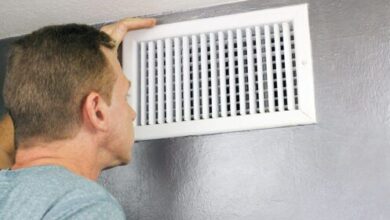
Returns need open space to pull air back into the system. In pet-friendly homes, beds, crates, and furniture often shift in front of return grilles. Restricted intake forces the system to work harder. You may notice longer run times, uneven temperatures, or weaker airflow.
Return placement also matters in homes with pets. High-traffic areas collect more debris than quiet rooms. If those returns stay partially blocked, airflow imbalance spreads through the system. Checking clearance around vents takes little time but supports steady circulation.
Vent covers and return grilles trap pet hair and fine dust, especially in busy areas. That buildup narrows the openings where air should move freely. If certain rooms continue to feel stuffy, airflow restriction may contribute to the issue.
Consider Professional Air Quality Solutions
When odors linger or allergies persist, surface cleaning may not solve the issue. Professional indoor air quality services evaluate how air moves through the system and where particles collect. Technicians look beyond filters to identify buildup that affects performance. The goal is to address the source directly.
In some households, basic filtration is only part of the solution. Whole-home air purifiers in San Antonio work with the HVAC system to trap finer particles that slip past standard filters. Routine maintenance supports that setup by keeping coils, drains, and airflow pathways clean.
Professional guidance prevents mismatched upgrades. Not every system benefits from the same solution. A technician can recommend adjustments that protect airflow and equipment life. That balance supports cleaner air and smoother operation.
Protect Your Outdoor Unit from Pet Damage
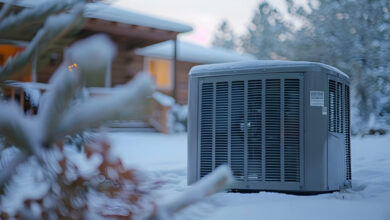
Outdoor units face steady exposure in pet-friendly yards. Dogs may mark the cabinet, and repeated contact can damage metal surfaces. Urine residue can speed up corrosion and discolor panels. That damage can spread and shorten system life if you ignore it. Blocking pet access helps prevent repeat contact.
Daily pet activity also affects airflow around the unit. Dirt packs around the base and reduces clearance. Toys, hoses, and yard items often end up against the cabinet. Some pets paw the grille or bump the unit while playing. When clearance shrinks, the system works harder to move air.
A service visit helps you catch damage before it worsens. Technicians inspect the cabinet, fins, and surrounding area for wear. They clean the buildup carefully and check for early corrosion. They also confirm the unit has enough open space for ventilation. Early attention helps prevent larger repair issues.
Tips for Reducing Pet Dander in Your Home
Lowering pet dander at the source helps your HVAC system run more efficiently. Small daily habits reduce how much debris reaches your return vents. Consistent routines support cleaner air and steadier system performance.
These simple habits can help reduce dander buildup:
- Regular brushing to reduce loose fur
- Weekly laundering of beds and blankets
- HEPA vacuuming in high-traffic areas
- Paw wipes at entry doors
- Pet stations away from returns
When you reduce dander on floors and fabrics, less debris reaches your return vents. That simple shift lowers system demand and supports cleaner indoor air. It can also reduce odors in busy areas.
Schedule Routine HVAC Maintenance
Homes with pets place steady demand on HVAC systems. Hair, dander, and debris move through the equipment every day. Even light buildup can slow circulation. Routine service keeps small issues from developing into repairs.
During a maintenance visit, technicians inspect and clean major components. Coil cleaning supports proper heat transfer. Electrical checks confirm secure connections. Airflow testing identifies pressure concerns. Calibration keeps thermostat controls accurate.
Consistent maintenance supports balanced performance and protects equipment life. Homes with pets often benefit from steady service intervals. Ongoing care helps reduce unexpected breakdowns and maintain indoor comfort.
Conclusion
Pet activity affects HVAC systems more than many homeowners expect. Outdoor units face exposure, and indoor components collect debris faster. Small issues can build slowly and shorten system life. Staying ahead of maintenance protects performance and helps control long-term repair costs. A consistent service plan keeps your equipment operating as it should.
Contact Rosenberg Plumbing & Air in San Antonio, TX to schedule professional HVAC maintenance today. We help pet-friendly homes stay comfortable year-round.
Tags: Air Quality