Choosing a Tankless Water Heater Size
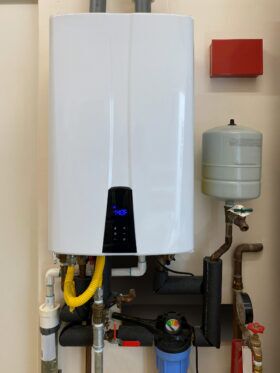
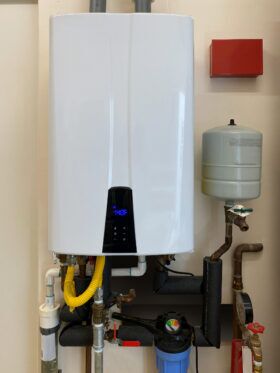
Tankless water heaters are becoming popular in San Antonio, TX homes. They provide exceptional efficiency, comfort, and reliability. If you’re a homeowner considering an upgrade, it’s essential to choose the right size tankless water heater. An improperly sized unit can lead to problems with efficiency and dependability. Our team at Rosenberg Plumbing & Air can help you choose a tankless water heater and perform the installation.
Why the Size of a Tankless Water Heater Matters
You may not be aware of why the size of a tank-based unit is important. The size of a tank determines the amount of hot water that’s available. If you’re considering upgrading to a tankless model, you may think size doesn’t matter. However, tankless water heaters also come in different sizes. If you choose a unit that’s too small, there could be a lack of hot water when multiple fixtures and appliances are in use. Choosing a model that is too large can lead to expensive energy bills.
Tankless water heaters heat water on demand. They must be able to handle the maximum flow rate that your household will need. Some days the flow rate may be less than others, so it’s a good idea to consider your high-demand days when choosing a tankless water heater. If your unit isn’t sufficient, you could experience lukewarm showers, fluctuations in water temperatures, and system strain.
Sizing a Tankless Hot Water Heater
Plumbers take into consideration several factors when sizing a water heater. One of the most important factors is the flow rate. This is the amount of water that you will need at one time. Also, temperature rise is important. This refers to the number of degrees that your water heater must raise the water temperature.
Flow rate is measured using gallons per minute, or GPM for short. A professional will add the flow rate for all fixtures that you will likely run simultaneously. Showers have a flow rate of approximately 1.5 to 2.5 gallons per minute. Washing machines and kitchen faucets generally have the same GPM ratings. If you frequently wash dishes while someone in the home is showering, this will result in a flow rate of 5 gallons per minute. Your tankless water heater needs to be able to handle this demand.
Temperature rise represents the difference between the temperature of your groundwater and the temperature you will have your water heater set to. Most homeowners set their heater at approximately 120 degrees Fahrenheit.
When choosing a tankless water heater, you’ll typically see a GPM rating advertised for a given temperature rise. It may be determined that your residence requires a 5 GPM with a temperature rise of 80 degrees Fahrenheit. This would require a medium-to-large tankless water heater. The brand, features, and fuel type will also impact your decision.
It’s important to consider the size of your tankless water heater carefully. Choosing a unit that is the correct size can provide consistent hot water and increase its lifespan. It will also reduce your energy bills. You can also increase the value of your home by installing a tankless water heater.
Choosing Between Gas and Electric
Tankless water heaters come in both electric and gas versions, and they perform quite differently. A gas unit has a higher output and can keep up with the demand of cold climates. It’s an ideal option for whole-home use. An electric water heater has a lower output but may be acceptable for point-of-use water heaters or small homes. You may need to perform an electrical upgrade in your home to accommodate an electric water heater, which is an additional expense.
Tankless gas water heaters are rated using the British Thermal Units scale, or BTUs for short. The higher the BTU rating, the more heating power it has. A small home will suffice with a tankless water heater that is 140,000 BTU. Larger homes should upgrade to a heater with 190,000 BTU or more.
An electric tankless water heater is rated by kilowatts, or kW. A smaller point-of-use unit will have a rating of 8 to 12 kW. A whole-home unit can range from 27 to 36 kW. You will need 200-amp service and multiple dedicated breakers for safe operation of your unit.
Considering Local Climate
The climate in San Antonio is relatively mild. That means a tankless water heater that produces 5 to 8 gallons of heated water per minute may be sufficient. However, the same unit may only provide 5 gallons of heated water per minute if the water entering the home is much colder. Homeowners in colder climates should expect to invest in a larger tankless water heater to ensure sufficient reliability.
Different Tankless Options
A single tankless water heater may not be the best option for your home. A professional can help you determine if two smaller units in parallel are more ideal. Additional point-of-use units can help if you have bathrooms or guest rooms that are far away from other areas of your plumbing system.
Avoiding Common Tankless Water Heater Mistakes
If this is the first time you’re investing in a tankless water heater, it may be challenging to make the right decisions. Don’t ignore the climate, even in an area like San Antonio, which experiences mild conditions.
You may think that you’ve accounted for all the fixtures and appliances in your home that could run at the same time. Make sure this calculation is correct. Your hot water demands may change in the future and impact how well your tankless unit works.
Be careful of the power source you select. It’s common for electric tankless water heaters to struggle to provide hot water for a very large home. This is especially true during the winter months. Consider what you’re paying for your current water heater and the local rates for gas/electric. Also, look for energy-saving features. There are modern tankless water heaters that offer excellent features, like smart connectivity. You can monitor your daily, weekly, and monthly usage. This allows you to change your temperature settings that boost efficiency. You can also monitor for system malfunctions, ensuring prompt repair and protection of your unit.
Rely on a professional if you’re considering a tankless water heater for your home. Our team at Rosenberg Plumbing & Air can help you calculate the size and type of water heater you need. We’ll also perform the installation, ensuring safe, efficient, and reliable use of your equipment. Our team can also address any issues that you’re having with your current water heater. This includes emergency repairs. Routine maintenance is something we recommend you schedule yearly. It keeps your equipment running properly throughout the year. Contact us at Rosenberg Plumbing & Air for more information or to schedule a tankless water heater appointment in San Antonio today.
Tags: Tankless Water Heaters