7 Easy Fixes For A Broken Water Heater In Conroe, TX
If your water heater’s acting up in Conroe, TX, don’t panic. You’ve got some straightforward fixes at your fingertips. Start by checking the power supply and adjusting the thermostat. These first steps could save you time and hassle. But there’s more to reflect on—flushing the tank and inspecting for leaks can also make a significant difference. Want to learn how to tackle these issues effectively? Let’s explore the next steps together.
Check the Power Supply
Have you checked the power supply to your water heater? This is the first step to troubleshoot any issues you’re facing.
Start by ensuring that it’s plugged in properly. If it’s a gas water heater, make sure the gas supply is turned on. Next, check your circuit breaker or fuse box. A tripped breaker or blown fuse could be the culprit. If you find any issues, reset the breaker or replace the fuse as needed.
Additionally, look for any signs of damage to the power cord or the outlet itself. If everything seems intact but the heater still isn’t working, consider calling a professional. Sometimes, underlying electrical issues require expert attention. Remember, addressing the power supply can save you time and frustration before moving on to more complex fixes. Stay proactive, and you might just solve the problem quickly! Also, if you’re experiencing persistent issues, it may be time for a water heater replacement, which can provide reliable hot water once again, backed by 24/7 emergency service to ensure you’re never left without hot water when you need it most.
Inspect the Thermostat Settings
Before diving deeper into troubleshooting your water heater, it’s important to inspect the thermostat settings.
Start by checking the temperature setting on the thermostat; it should typically be around 120°F for ideal performance. If it’s set too low, you mightn’t get enough hot water. Conversely, if it’s too high, it could pose a scalding risk and waste energy.
Next, verify the thermostat is functioning properly. If you notice any inconsistencies in temperature or if it’s not responding, it might need recalibration or replacement.
Also, look for any visible damage or corrosion, as this can impact its performance.
Finally, if you have a dual-element water heater, check both thermostats. Adjusting these settings can often resolve heating issues without requiring more extensive repairs. Regular maintenance is essential for optimal performance of your water heater.
Keeping your thermostat in check is a simple yet effective step in making sure your water heater operates efficiently.
Flush the Tank
After ensuring your thermostat settings are correct, the next step is to flush the tank. This process removes sediment buildup that can affect your water heater’s efficiency.
Start by turning off the power supply and closing the cold water supply valve. Connect a garden hose to the drain valve at the bottom of the tank, directing the other end to a nearby drain or outside.
Open the drain valve and let the water flow out until it runs clear. You might want to briefly turn on the cold water supply to stir up any remaining sediment.
Once the water is clear, close the drain valve and disconnect the hose. Reopen the cold water supply valve and refill the tank.
Finally, turn the power supply back on. Flushing your water heater regularly helps maintain its efficiency and prolongs its lifespan, ensuring you have hot water when you need it! Additionally, performing routine maintenance services can further enhance the longevity and performance of your water heater.
Examine the Pressure Relief Valve
One essential step in maintaining your water heater is to examine the pressure relief valve. This valve plays a vital role in preventing excessive pressure buildup, which can lead to serious safety hazards.
Start by locating the valve, typically found on the top or side of the tank. Gently lift the lever to release a small amount of water. If water flows freely and then stops, the valve is functioning correctly.
However, the valve may need replacement if there’s no water or it leaks continuously. Remember, a faulty valve can lead to dangerous situations, so don’t ignore it. Regular inspections can help you avoid costly water damage and ensure your water heater operates safely and efficiently, giving you peace of mind.
If you’re unsure about how to proceed, it’s best to call a professional. Inspecting this valve regularly guarantees your water heater operates safely and efficiently, giving you peace of mind.
Regular checks can prevent costly repairs and extend the life of your water heater.
Look for Leaks
When troubleshooting your water heater, start by inspecting all connections and joints for any signs of leaks.
Don’t forget to check the tank condition and monitor the drain valve as well.
Catching these issues early can save you from bigger problems down the line.
Inspect Connections and Joints
Inspecting connections and joints for leaks is essential in maintaining your water heater’s efficiency.
Start by turning off the power and water supply to your heater. Check all visible pipes, fittings, and connections for any signs of water or moisture. If you spot a leak, it might be as simple as tightening a loose connection.
Use a wrench to secure fittings, but be careful not to overtighten, as this can cause damage. Don’t forget to inspect the temperature and pressure relief valve, as leaks here can indicate deeper issues.
If you find persistent leaks or can’t locate the source, it’s best to call a professional for further assistance. Keeping everything tight guarantees your water heater runs smoothly.
Check Tank Condition
A thorough check of your water heater’s tank is crucial for spotting potential leaks that can lead to larger issues.
Start by visually inspecting the tank for any signs of rust, corrosion, or moisture accumulation. If you notice any puddles or damp spots around the base, it indicates a possible leak.
Pay close attention to the seams and welds, as these areas are often prone to issues. You should also look for any bulging or deformities in the tank, which can signal internal pressure problems.
If you find any leaks, addressing them immediately is imperative to prevent water damage and costly repairs.
Regularly checking the tank condition can save you time and money in the long run.
Monitor Drain Valve
One critical component to monitor on your water heater is the drain valve, as it can be a common source of leaks.
Regularly inspect this valve for any signs of moisture or dripping water. If you notice a leak, it could mean the valve is worn out or improperly closed.
Tighten it gently, but don’t overdo it, as that might cause further damage. If tightening doesn’t resolve the issue, consider replacing the valve entirely.
Doing this can prevent water damage and improve your water heater’s efficiency.
Test the Heating Elements
Before diving into repairs, you’ll want to test the heating elements to pinpoint the issue with your water heater. Start by turning off the power to the heater for safety.
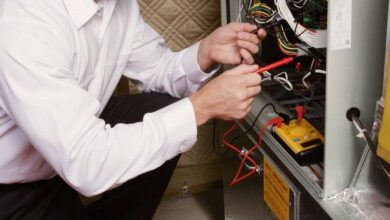
If you have an electric water heater, locate the access panels on the side. Remove the panels and carefully detach the insulation. Use a multimeter to check the heating elements for continuity. Set the multimeter to the ohms setting and touch the probes to the terminals of each element. A reading of zero or near zero indicates a faulty element.
If you’re dealing with a gas water heater, verify the pilot light is lit. If it’s out, relight it according to the manufacturer’s instructions. The thermocouple may be defective if the pilot light stays lit but the water’s still cold.
Call a Professional
When you’ve tested the heating elements and still can’t find the issue, it might be time to call a professional.
An expert can diagnose the problem accurately and guarantee your safety throughout the process.
Expert Diagnosis Required
Though you might feel tempted to tackle water heater issues on your own, expert diagnosis is crucial for identifying the underlying problems accurately.
Without the right expertise, you could miss critical issues that lead to further damage. Hiring a professional guarantees that your water heater is assessed thoroughly, pinpointing problems like faulty thermostats or sediment buildup.
Technicians have the tools and experience to diagnose issues quickly and effectively, saving you time and money in the long run. Additionally, they can provide insights into maintenance practices that prolong your unit’s lifespan.
Safety First Always
While tackling home repairs can be tempting, prioritizing safety is essential, especially with a water heater. These appliances can pose serious risks if not handled correctly, including leaks, burns, and even explosions.
You might think you can fix it yourself, but it’s best to call a professional. Licensed technicians have the training and experience needed to diagnose and resolve issues safely. They also know the local codes and regulations, guaranteeing your repair meets safety standards.
By choosing a qualified expert, you’ll protect yourself and ensure your water heater operates efficiently.

Conclusion
By following these seven easy fixes, you can tackle your water heater issues head-on and restore hot water in no time. From checking the power supply to testing the heating elements, each step plays an essential role in enhancing your water heater’s performance. So, why let a broken water heater disrupt your daily routine? With a little effort and attention, you can guarantee your system runs efficiently and lasts for years to come.