Why Indoor Air Quality Gets Worse in the Winter And What San Antonio Homeowners Can Do

Winter in San Antonio may not bring blizzards, but you still feel cooler nights, dry afternoons, and more time spent indoors. Windows stay closed, your heating kicks on more often, and the same air keeps cycling through your rooms. That can leave your home feeling stuffy, dusty, or damp, even when the thermostat looks fine. At Damiani’s Comfort Designs, we help San Antonio, TX, homeowners understand why indoor air quality dips in the cooler months and what simple changes can make your air feel cleaner and more comfortable.

Why Winter Makes Indoor Air Feel Stale in San Antonio
During the warmer parts of the year, you might crack windows in the morning, run ceiling fans, and let fresh air move through the house. In winter, you tend to seal things up. You close windows, run the system on heat, and try to keep every bit of warm air inside. That keeps you comfortable, but it also traps indoor pollution. Cooking fumes, cleaning product fumes, pet dander, and fine dust all stay in the same air loop instead of drifting outside.
San Antonio’s mix of mild days and sudden cold snaps adds another twist. You may cycle between heat and no heat in the same week. Each time the system starts and stops, it pulls more particles off the duct walls and sends them into your rooms. If your filter is dirty or low-grade, it cannot catch much of that. The result is air that smells heavy, looks hazy in certain light, or makes allergies act up more than you expect in winter.
Common Indoor Pollutants That Build Up in Winter
When the house is closed, many small sources add up. Dust from carpets, furniture, and clothing drifts through the air. Pets shed dander and track in dirt. Cooking sends out tiny oil droplets and smoke, especially when you sear food or roast in the oven. Scented candles, air fresheners, and cleaning products add chemical fumes. In some homes, older gas appliances or tired venting can leak small amounts of combustion byproducts into the living space.
Moisture also matters. On cool, damp days, indoor humidity can rise from showers, boiling pots, and drying clothes inside. When that air does not move, moisture clings to cooler surfaces like windows, exterior walls, and unconditioned corners. That can lead to spots of mold, musty smells, and more particles floating around.
How Your HVAC System Helps or Hurts Indoor Air
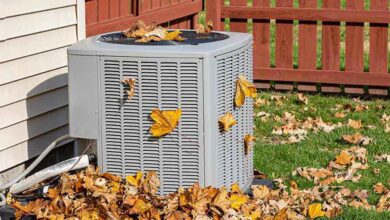
Your heating and cooling system has a big influence on how your indoor air feels in winter. Every time the blower runs, it pulls air through the return, pushes it across the heat source, and sends it back through the supply ducts. If the filter is old or too basic, it catches only the largest dust particles and lets the smaller ones pass. Duct leaks can pull in attic dust, insulation fibers, and outdoor pollutants, then spread them around the house.
A well-maintained system, on the other hand, can support better air quality. Clean coils, a tight duct system, and a proper filter give you smoother airflow and fewer particles drifting through the living space. Some systems pair with built-in air cleaners or dehumidifiers that treat the air as it moves through the equipment. The difference comes down to upkeep and the way the system was set up for your home.
Practical IAQ Upgrades for San Antonio Winters
You have several tools that work together to improve winter air. A good starting point is your filter. Talk with your HVAC technician about an upgraded filter with a higher rating that still fits your system’s airflow needs. The goal is a filter that captures more fine particles without choking the blower.
Dehumidifiers help in homes that feel damp or have condensation on windows and walls. A whole home unit that ties into your ductwork can pull excess moisture from the air as it circulates, which reduces musty smells and helps slow down mold growth in cooler corners. Air purifiers offer another layer. Some mount in the duct system and treat all the air that passes through, while others are portable units that serve a single room. Look for units sized correctly for your space, and ask a trusted contractor which type fits your layout and concerns.
Have an Emergency?
We Can Help!
Keep Your Winter Air Healthier This Year
Winter does not have to mean stuffy rooms, dry throats, and constant dusting. When you understand how closed windows, busy HVAC cycles, and everyday habits affect indoor air quality, you can make small changes that add up to a healthier home. Filter upgrades, dehumidifiers, and air purifiers work best when they fit your system and your space, not just a generic chart. We help San Antonio homeowners fine-tune their heating and air systems, add practical IAQ upgrades, and keep air cleaner through the cooler months.
If your home feels stale, musty, or dusty once the heater starts running more often, schedule an indoor air quality evaluation with Damiani’s Comfort Designs and let us help you breathe easier this winter.