Address Your HVAC System & Mold
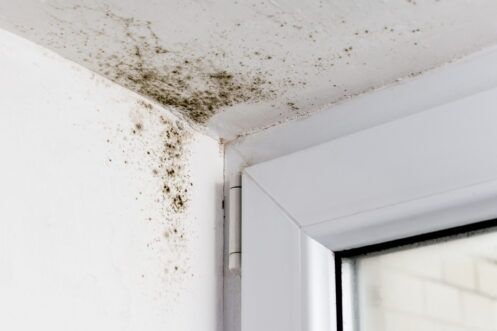
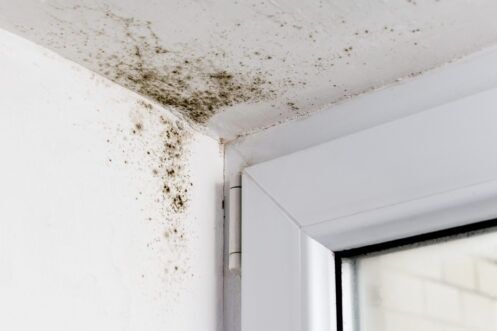
Mold can hide behind walls, under flooring, and in ceilings for a long time before it’s discovered. Eventually you may find paint peeling or notice a musty smell. Homeowners in San Antonio, TX may not realize that mold spores have made their way inside ductwork and HVAC equipment. This leads to spores throughout an entire residence. Understanding where mold often grows and how to prevent it can reduce the risk of a widespread problem. Our team at Rosenberg Plumbing & Air can help with this process.
Mold and Your HVAC System
Mold requires moisture, warm temperatures, and organic material to grow. Your HVAC system provides all three. When you run your HVAC system, it removes humidity from the air. Moisture collects on coils and falls into drip pans. You have a condensate line where the water eventually drains to. If your system isn’t working properly, moisture can accumulate, and mold can grow.
As air circulates through your HVAC system, particulate matter accumulates on interior components and ductwork. This is the primary source of food for mold. It’s likely your HVAC system is keeping your home between 65°F and 79°F. This is the perfect range of temperature where mold will thrive.
Mold can grow very quickly. Your HVAC system provides a fast transportation system through every room of your residence.
The Negative Impact of Mold
Mold can structurally damage walls, ceilings, floors, and furniture. It can ruin your belongings, like photos and books. It also has a negative impact on your health. With regular mold exposure, you can experience an increase in allergies, asthma, shortness of breath, and headaches. You may be feeling unwell and not realize that mold is the culprit.
Use Your HVAC System to Prevent Mold
We’ve mentioned how mold can grow inside your HVAC system. However, you can also use this equipment to prevent mold. The key is making sure that your system is properly maintained and functioning properly.
Your Relative Humidity Level
The relative humidity in your home should be between 30% and 50%, according to the EPA. When moisture levels rise, this can lead to mold growth. Run your air conditioner regularly in the summer months. This is when humidity levels in San Antonio are highest. This is a natural way to dehumidify the air in your home. You can also have a professional integrate a whole-home dehumidifier onto your HVAC system. Portable models aren’t typically effective enough for whole-home control.
Run the exhaust fans in your kitchen or bathroom when you’re cooking, cleaning, or bathing. This helps remove moisture before it can lead to mold growth.
If you use a humidifier during the winter when air is dry, be careful. Make sure you’re monitoring indoor humidity so that you don’t add too much moisture.
Installing UV-Sanitizing Lights
You can install a UV-sanitizing light onto your HVAC system and expose pathogens to UV-C light. This will destroy the cellular structure of mold spores and other contaminants like bacteria and viruses. Your home will smell cleaner, and your UV light will keep you healthier.
Changing Your HVAC Filter
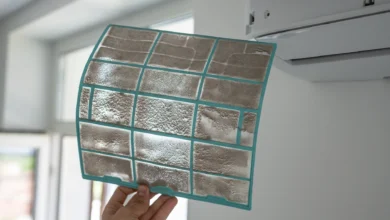
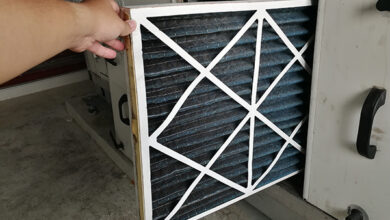
You need to change or clean the filter in your HVAC system every 30 to 90 days. A clogged filter can impede airflow through your system, letting moisture and debris build up. Filters also do a great job of removing much of the particulate matter that mold feeds on. Choose a filter that is between 8 and 13 MERV for optimal filtration.
Also, consider adding an air filtration device to your HVAC system. This equipment uses more restrictive filters than your furnace does. In many cases, you can remove as much as 99.97% of the particulate matter in your air with whole-home filtration equipment.
Consider Ductwork Maintenance
Ductwork is a common location where mold can grow. We recommend scheduling a professional inspection of your ducting at least once every few years. Have a professional clean your ducts to remove debris. They can also use sanitizing products to disinfect the ducts, spot mold, and prevent future mold growth.
Pay Attention to Your Drain Line
Routinely inspect your condensate drain line. It’s common for this line to experience clogs from sediment and debris. These clogs will lead to water backing up into your HVAC equipment and home. Mold can grow in these locations.
Schedule Professional Maintenance
Schedule annual maintenance of your HVAC system. A professional will inspect the interior components of your system and let you know if they find mold. They will also clean parts such as your evaporator and condenser coils. These are areas of your system that can experience moisture accumulation and mold growth.
Ensure Proper Ventilation
If you have poor airflow and ventilation in your home, this increases the risk of mold as the result of stale air. Open your windows for at least 15 minutes a day. Use your ceiling fans to keep the air moving. You can also install ventilation equipment or ridge vents in areas like your attic to ensure proper airflow.
It may be tempting to turn your HVAC system off on mild days to save money. However, this can result in stale, humid air that supports mold growth. Run your HVAC system each day, even if it’s only for a little while.
Watch for Plumbing Problems
In addition to your condensate drain line, there are other ways that your home can become susceptible to mold. Plumbing problems are very common. Look around pipes, sinks, and drains to ensure no water is pooling. Schedule a routine inspection of your plumbing system to ensure there aren’t any issues to address. If you have a whole-home humidifier, it has water lines that introduce moisture into your system. Have a professional inspect these lines periodically.
Make Sure Your System Is the Right Size
Your HVAC system can help keep mold out of your home, but only if it’s adequate for your needs. Have a professional determine if your heating and cooling equipment is the right size for your home. Equipment that is too small will lead to high levels of humidity and uncomfortable interior temperatures. You’ll only notice that your equipment is running frequently and running up your energy bills. If the equipment is too large, it can lead to short cycling, which can also impact indoor humidity.
If your heating and cooling equipment is old, it might be time for a replacement. New models are more efficient and can help you take better control over your indoor environment.
Allow our team here at Rosenberg Plumbing & Air to help you with your indoor comfort and moisture needs. We can perform routine HVAC inspections and install upgrades to help prevent mold growth. This includes air purifiers, dehumidifiers, and UV-sanitizing lights. We’ll help you come up with a plan of action to eliminate any mold that’s present and prevent future mold growth. We also offer a Comfort Club Membership that makes maintenance and repairs affordable and convenient
Contact us at Rosenberg Plumbing & Air in San Antonio today to schedule an appointment or learn more.
Tags: Air Quality